Air handler and furnace get used interchangeably all the time, including by people who should know better. They're both big indoor boxes that push air through your ductwork — but they do fundamentally different things, and knowing which one you have changes how you maintain it and what it costs to run.
A furnace creates heat. It burns fuel — natural gas or propane — or uses electric resistance elements, and its blower pushes that heated air through your ducts. Key components include burners, a heat exchanger, an igniter, a flue for exhaust, and gas piping. Because combustion happens inside your home, furnaces need annual safety inspection for cracks and proper venting.
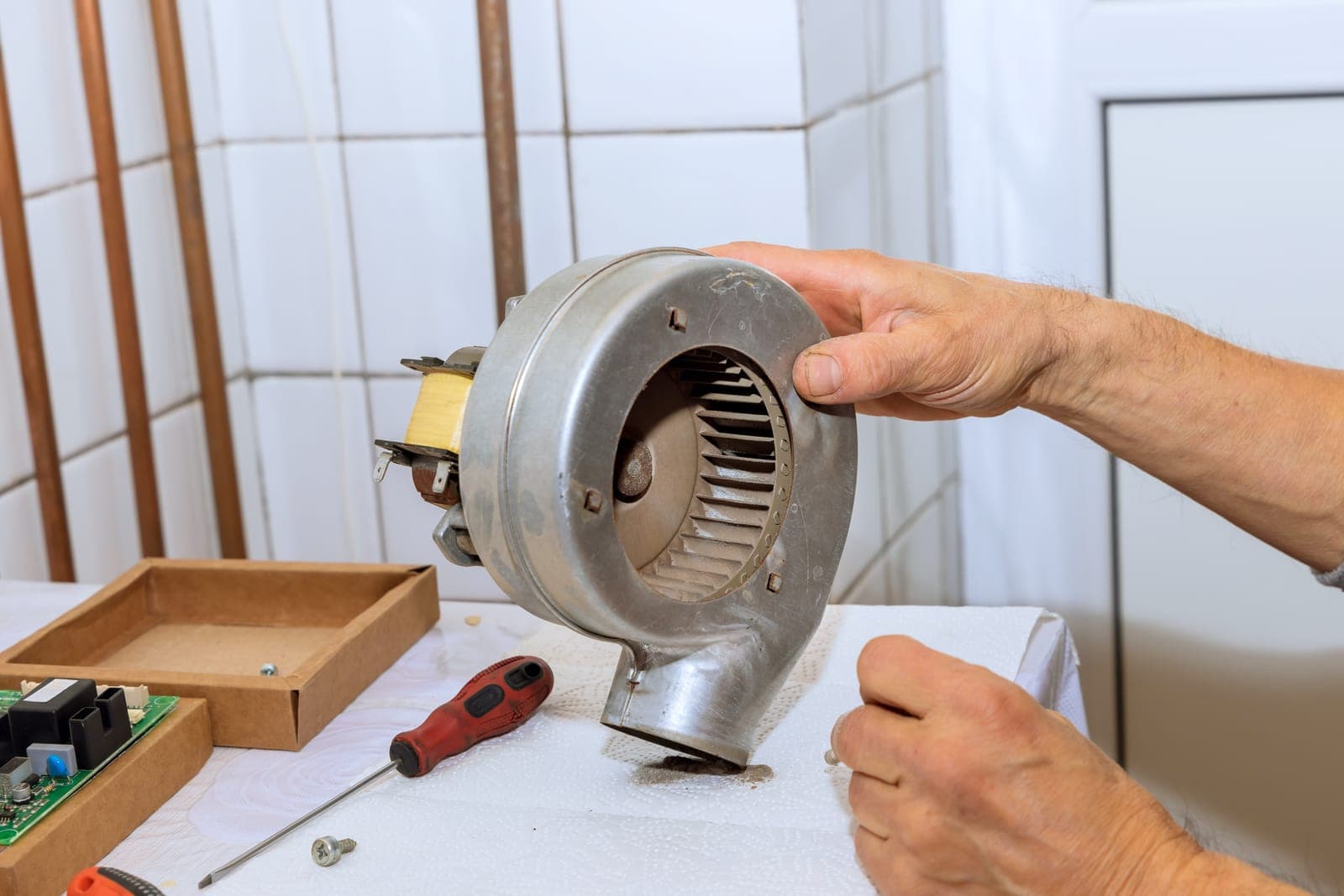
An air handler doesn't create heat at all. It's essentially a blower plus a coil in a cabinet: it circulates air across the coil, where a heat pump or air conditioner does the actual heating or cooling via refrigerant. Air handlers pair with heat pumps and ACs, contain no combustion, need no flue, and often include supplemental electric heat strips for backup on cold days.
How to tell which you have: look for a flue or vent pipe leaving the unit and going up through the roof or out a wall — that means combustion, so it's a furnace. Check for a gas line running to the cabinet. If your indoor unit has neither, and your outdoor unit runs in winter, you have an air handler paired with a heat pump.
Why it matters in practice: furnaces need burner cleaning, flame sensor service, heat exchanger inspection, and carbon monoxide safety checks. Air handlers need blower cleaning, coil care, drain line maintenance, and testing of the heat strips and refrigerant circuit. Different maintenance, different failure modes, different service calls — and knowing the difference means you can describe the problem accurately when you call.
In our region you'll find both, plus dual-fuel setups that pair a gas furnace with a heat pump. Not sure what's in your closet or attic? Reinhardt Heating and Air will identify it, service it, and show you what it needs — across Lincoln, Gaston, Mecklenburg, and Catawba counties.