"Your heat exchanger is cracked" is the most serious thing a furnace technician can tell you, and unfortunately it's also a line that dishonest companies have used to frighten people into a new furnace they didn't need. Both things are true at once: a genuine crack is a real safety problem, and you're entitled to proof. Here's how to handle it.
What the heat exchanger does. It's the metal chamber that keeps two things apart: the combustion gases from your burners, and the air your family breathes. Flames heat the inside of the exchanger; your blower pushes household air across the outside; the exhaust goes up the flue. As long as the metal is intact, combustion byproducts — including carbon monoxide — never touch your indoor air.
Why a crack matters. A crack or hole can let combustion gases mix into the air stream. Carbon monoxide is colorless and odorless, and the early symptoms of exposure — headache, dizziness, nausea, fatigue — look like the flu. A crack can also disturb the burner flame, causing flame rollout and further damage. Not every crack leaks dangerous levels of CO, but no responsible technician will tell you to keep running a furnace with a confirmed breach, and most are required to shut it down.
What causes it. Metal fatigue from years of heating and cooling is the root cause, and overheating accelerates it dramatically. The common culprits: a chronically dirty filter, closed or blocked vents, an oversized furnace that short cycles, and a failing blower — anything that leaves too little air moving across the exchanger. Most cracks appear in furnaces over 15 years old, though abuse can crack a newer one.
Warning signs: a yellow or flickering burner flame instead of steady blue, flames that move or roll when the blower kicks on, soot around the burners or on the furnace, a strong or unusual odor when the furnace runs, water pooling at the base of the furnace, corrosion or visible cracks on components, and — most importantly — a carbon monoxide alarm sounding. Treat a CO alarm as real every time: get everyone outside, then call.
How to verify the diagnosis. Ask to see it. A legitimate technician can show you the crack directly, with an inspection camera, or with photos, and can explain the test they used — a combustion analysis, a visual inspection with the blower cycling, or a camera scope. If someone condemns your furnace without showing you evidence, get a second opinion before spending thousands. We'll happily provide one.
Repair or replace? Replacing the heat exchanger alone typically costs $1,500–$3,500 in labor and parts. It's worth considering only on a younger furnace where the exchanger is still under warranty — many carry 20-year or lifetime coverage on the part, though labor isn't included. On a furnace past 12 to 15 years, replacement is nearly always the sound decision.
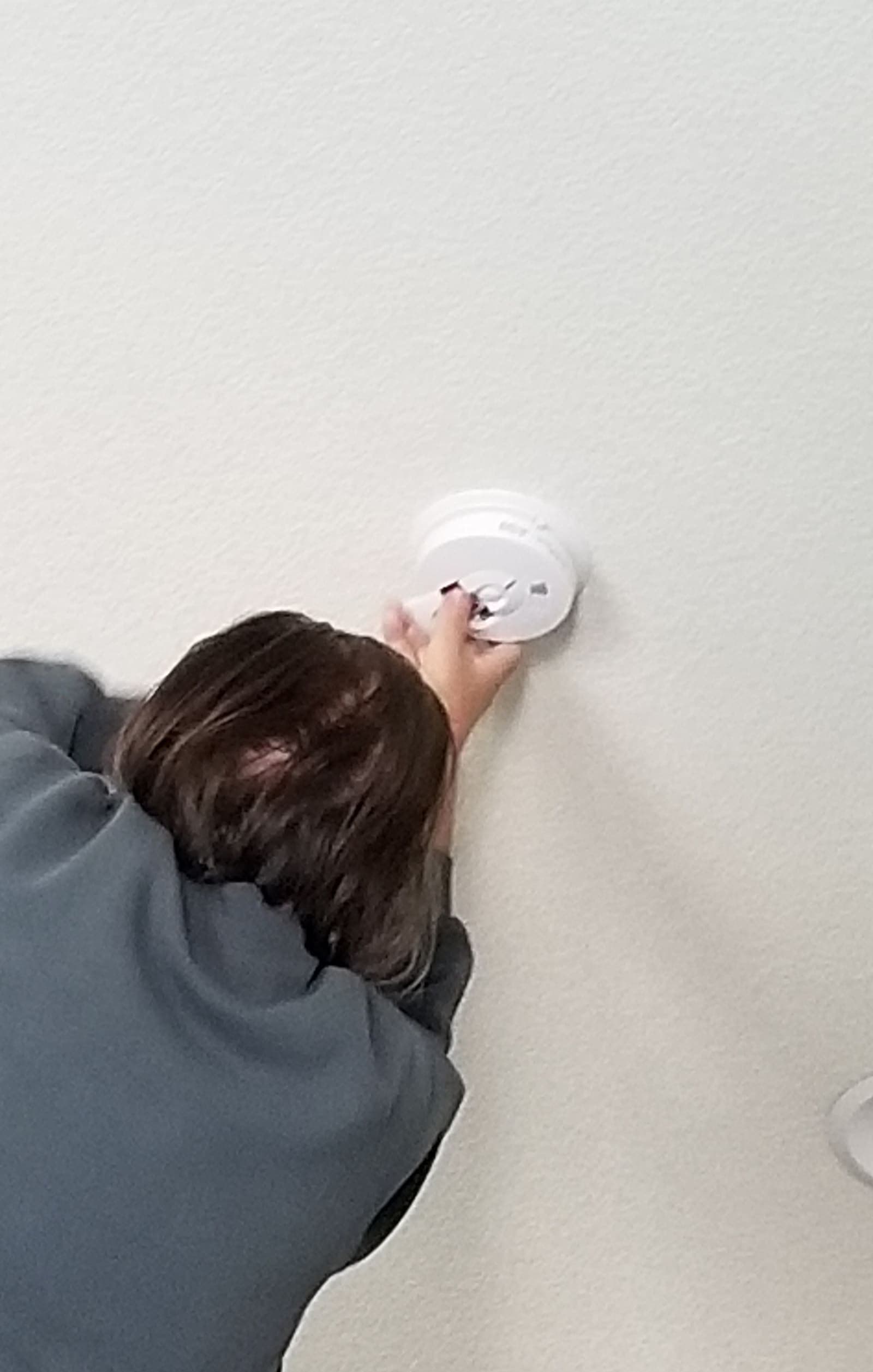
Whatever heating system you have, working carbon monoxide alarms on every level of the house are non-negotiable. Reinhardt Heating and Air performs heat exchanger inspections and combustion safety checks across Lincoln, Gaston, Mecklenburg, and Catawba counties — and if we ever tell you an exchanger is cracked, we'll show you.