If your furnace runs for a few minutes, shuts the burners off while the blower keeps running, then relights and does it all over again, there's a good chance the high limit switch is tripping. It's tempting to blame the switch. Most of the time, though, the switch is doing exactly what it was built to do — and the real problem is somewhere else.
What it does. The high limit switch is a temperature sensor mounted in the furnace's hot air plenum, with a probe that reads the air temperature coming off the heat exchanger. If that temperature climbs past a safe setpoint — commonly somewhere around 160 to 200 degrees depending on the furnace — it cuts power to the gas valve and keeps the blower running to cool things down. It's the device that prevents an overheating furnace from cracking its heat exchanger or starting a fire. On older furnaces, a combination fan-limit switch also tells the blower when to start and stop.
Why it trips. Overheating nearly always comes down to one thing: not enough air moving across the heat exchanger. The usual causes, from most to least common: a clogged air filter (check this first, always), too many closed or blocked supply vents, a blocked return grille, a dirty blower wheel, a failing blower motor or capacitor, a dirty evaporator coil sitting on top of the furnace, undersized or collapsed ductwork, or a furnace that's simply too large for the duct system it's attached to.
Symptoms to recognize: burners shutting off before the thermostat is satisfied, the blower running continuously without heat, short cycling, the furnace locking out after several trips and showing an error code, and rooms that never quite get warm. A limit that trips repeatedly will eventually fail from the stress, at which point the furnace may refuse to fire at all.
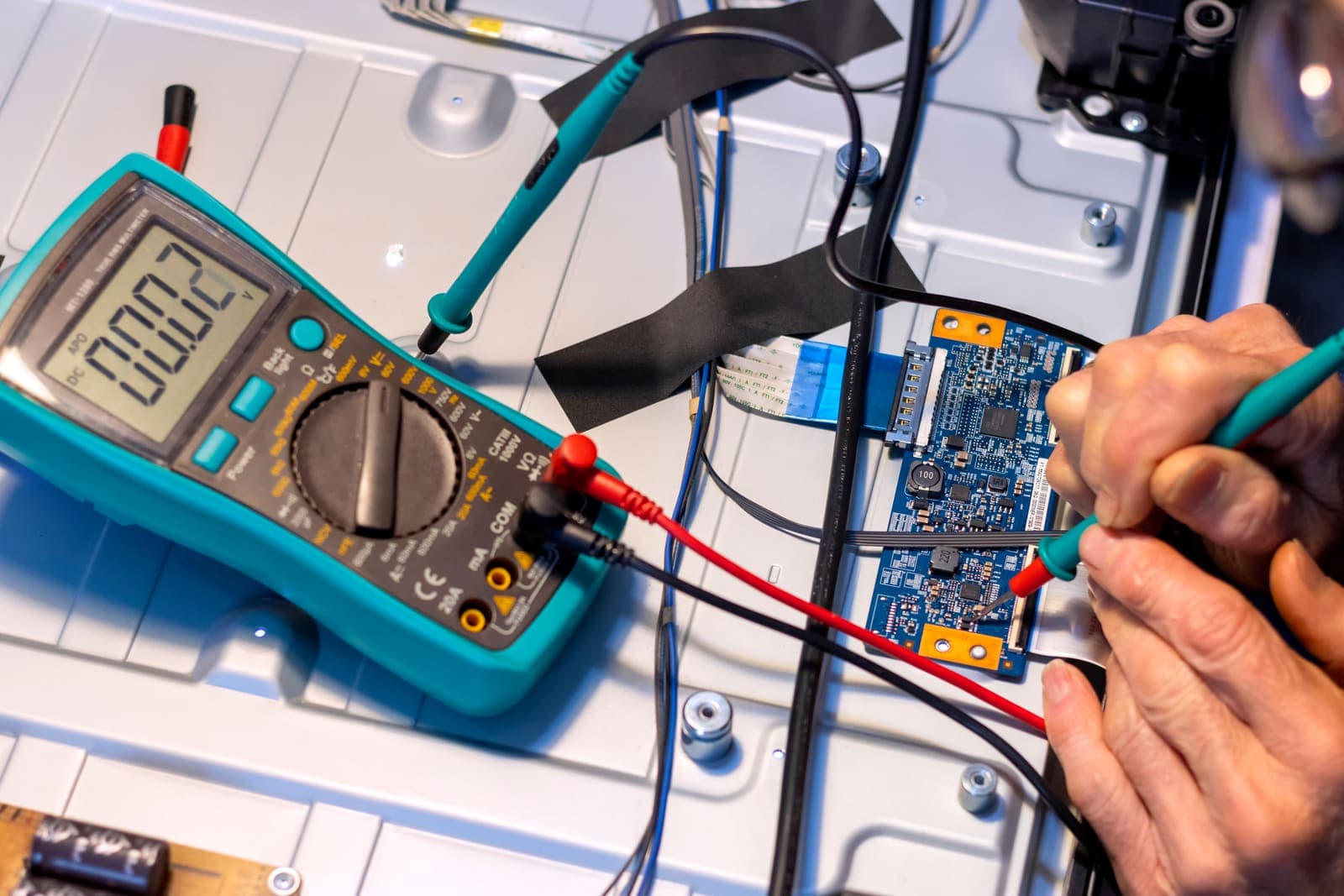
When the switch itself is bad. Limit switches do wear out, especially after years of nuisance tripping. A technician confirms it by measuring the actual temperature rise across the furnace and comparing it to the rating plate, and by testing the switch for continuity. If airflow and temperature rise are within spec and the switch still opens, it gets replaced. The part is typically $15–$60, and a professional replacement usually runs $150–$350.
What never to do: bypass or jumper a limit switch to keep the heat on. It's the last line of defense against an overheated heat exchanger, and running without it turns an airflow problem into a cracked exchanger or worse. If it's tripping, it's telling you something true.
Start with the filter and open every vent in the house. If it keeps tripping, Reinhardt Heating and Air will measure your furnace's temperature rise and airflow and find the actual cause — across Lincoln, Gaston, Mecklenburg, and Catawba counties, 7am to midnight.