Heat pumps are everywhere in the Charlotte region, and most homeowners never hear the words "reversing valve" until a technician mentions it on a service call. It's a critical part, it's specific to heat pumps, and when it fails it produces a very particular set of symptoms. Here's the plain-English version.
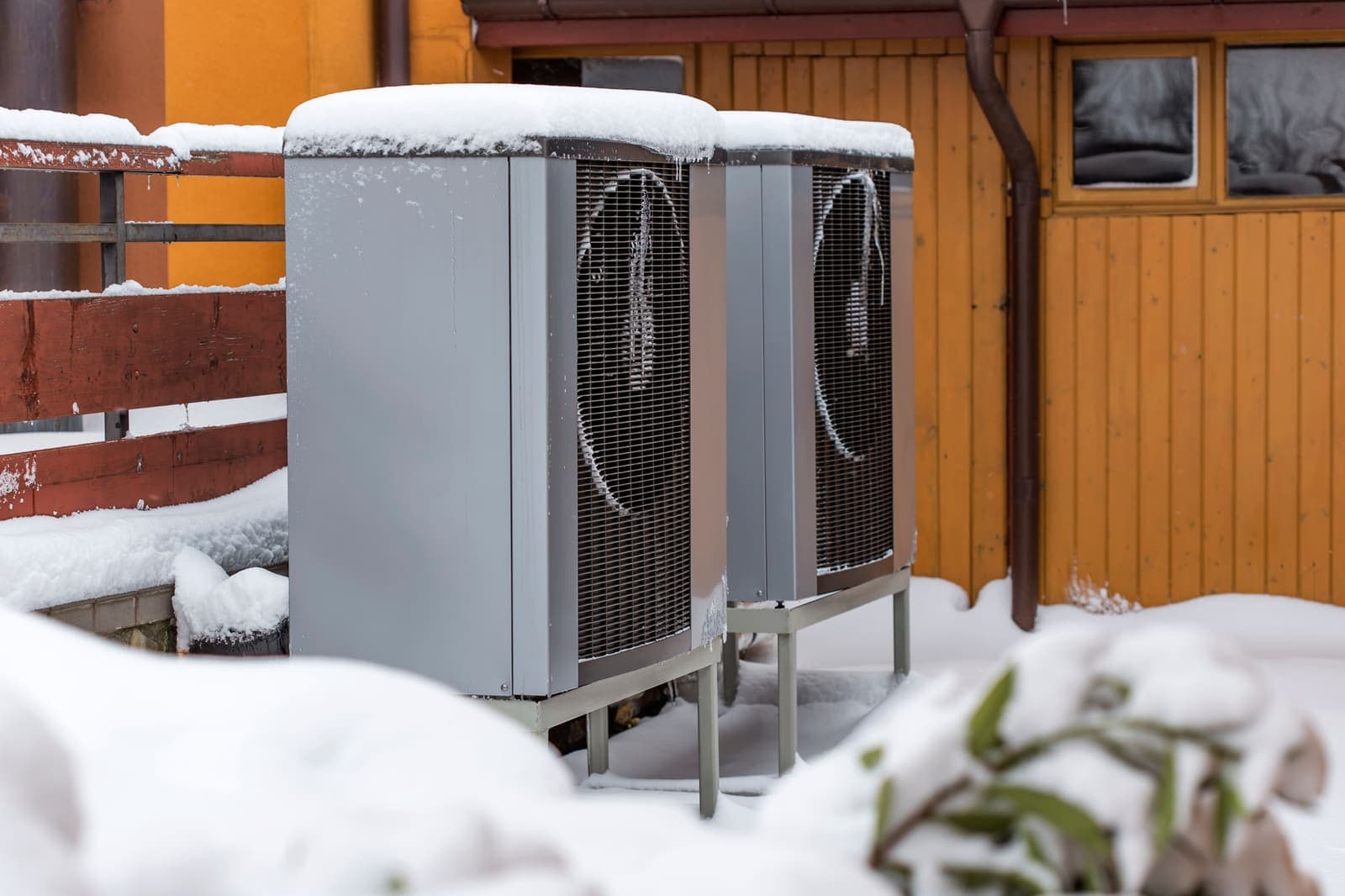
What it does. An air conditioner moves heat in one direction: out of your house. A heat pump is an air conditioner that can run backwards, moving heat into your house in winter. The reversing valve is the component that makes the switch — a four-port valve in the outdoor unit that redirects the flow of refrigerant so the indoor coil becomes the condenser (heating) instead of the evaporator (cooling). A small solenoid coil shifts the valve when the thermostat calls for a mode change, and the same valve flips briefly during defrost cycles in winter.
Symptoms it's failing: the system cools when it should heat or vice versa, it's stuck in one mode no matter what the thermostat says, it blows lukewarm air in both modes (a valve stuck partway lets hot and cold refrigerant mix), you hear a hissing or whooshing sound from the outdoor unit that doesn't stop, or the system runs constantly without reaching temperature. Defrost cycles that seem to never end or never happen can also point to the valve.
It's often not the valve. Before assuming the worst, a good technician checks the cheaper causes first: the solenoid coil (an inexpensive electrical part that can fail while the valve itself is fine), the thermostat wiring for the O/B terminal that controls the valve, the defrost control board, and refrigerant charge. A new smart thermostat wired with the wrong O/B setting produces the exact same "heats when it should cool" symptom and costs nothing to fix. We see that one a lot.
What replacement costs. If the valve itself has failed, replacement typically runs about $600–$1,500. The part is modest; the cost is in the labor — the technician has to recover the refrigerant, cut and braze the valve into the refrigerant lines, pull a vacuum, and recharge. On a system under 10 years old with a parts warranty, you'd pay labor and refrigerant only. On a system over 12–15 years old, especially one on R-410A, it's worth pricing replacement alongside the repair.
Reinhardt Heating and Air diagnoses and repairs heat pumps of every brand across Lincoln, Gaston, Mecklenburg, and Catawba counties. If your heat pump is stuck in the wrong mode, call us 7am to midnight — we'll check the simple causes before we ever quote the expensive one.