

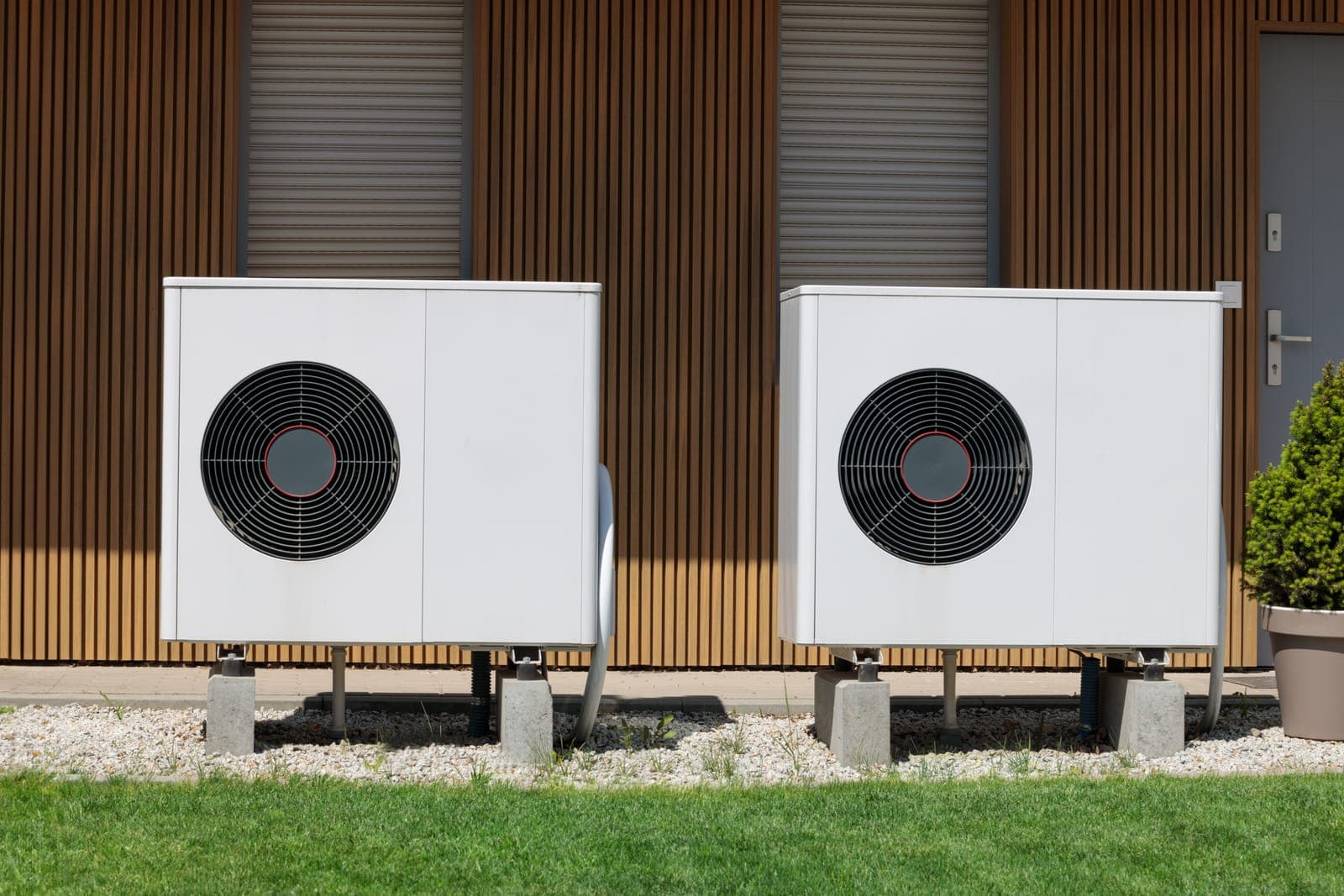
Stand a heat pump and an air conditioner side by side and you literally can't tell them apart. In summer, they even work identically — both move heat from inside your home to outside. So what's the difference, and which should you buy? It all comes down to what happens in winter.
An air conditioner only cools. When winter comes, it sits idle and a separate system — usually a furnace — takes over the heating. A heat pump does both: in winter it runs in reverse, pulling heat from the outdoor air and moving it inside. One outdoor unit, both jobs, all electric.
Why this matters in North Carolina: heat pumps are at their best in mild-winter climates — which is precisely what we have across the Charlotte region. Our winters rarely dip low enough to strain a modern heat pump, and because it moves heat rather than creating it, it delivers two to three times more heat energy than the electricity it consumes. That efficiency is why so many Carolina homes have gone the heat pump route.
When an AC-plus-furnace still makes sense: if you already have natural gas service and a working furnace, pairing a new AC with it can be the more economical swap. Gas heat also feels hotter at the vents and shines on the coldest nights. Some homeowners get the best of both with a dual-fuel system — a heat pump that hands off to gas when temperatures plunge.
Cost-wise, a heat pump typically runs somewhat more than a comparable AC up front — but remember it's replacing two systems' worth of work, and it can earn federal tax credits an AC can't. If your furnace is also aging, the math tilts strongly toward the heat pump.
Choosing between the two? Reinhardt Heating and Air will look at your current equipment, fuel situation, and budget, and give you an honest recommendation — with free estimates on replacements across Lincoln, Gaston, Mecklenburg, and Catawba counties.