

If you heat your home with a heat pump — and in the Charlotte region, most people do — there's a second heating system hiding inside your indoor unit. Heat strips are the electric backup that takes over when the heat pump can't keep up. They're essential, they're simple, and they're the most common reason for a shocking January power bill.
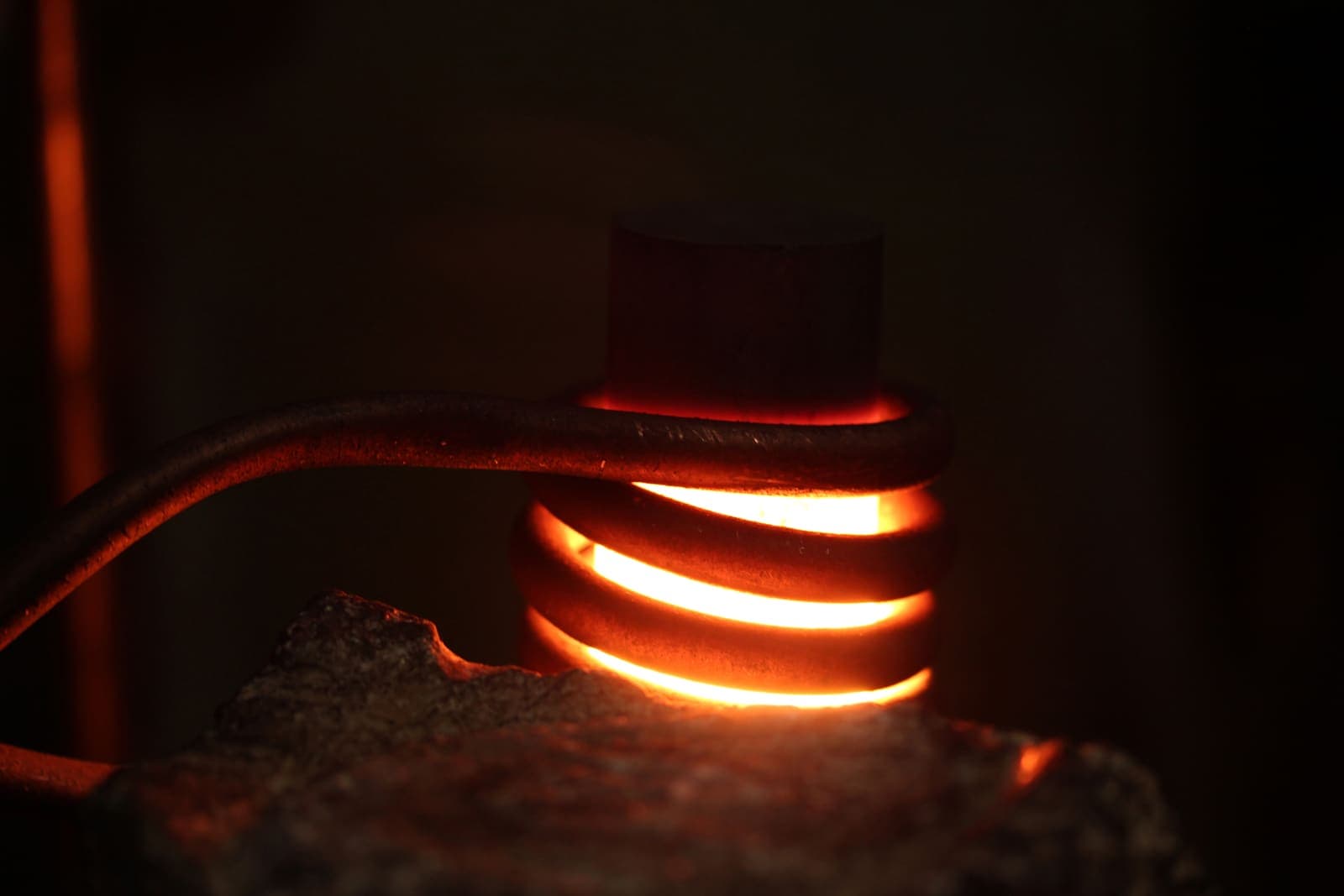
What they are. Heat strips are electric resistance coils mounted inside the air handler, downstream of the indoor coil. They work exactly like the elements in a toaster: electricity passes through the coil, the coil glows, and the blower pushes air across it. They're typically sized in kilowatts — 5, 10, 15, or 20 kW — and are usually staged so they can come on in steps rather than all at once.
When they run. There are three normal situations. First, as auxiliary heat: when it's cold enough outside that the heat pump alone can't hold the setpoint, the strips add heat alongside it. Second, during defrost: when the heat pump briefly reverses to melt frost off the outdoor coil, the strips keep cold air from blowing into the house. Third, as emergency heat: if the heat pump fails, you can switch the thermostat to EM HEAT and run on strips alone until it's repaired.
Why they're expensive. Resistance heat delivers one unit of heat for each unit of electricity. A heat pump in typical Carolina winter weather delivers two to four. So every hour the strips carry the load costs roughly two to three times what the heat pump would. That's fine for a few cold nights a year. It's painful when the strips are running every day because something's wrong.
Signs your heat strips are running too much: a winter electric bill far higher than last year's, the AUX HEAT indicator lit on the thermostat when it's 40 degrees or warmer outside, and a heat pump that seems to run without the outdoor unit doing much. The usual causes are a heat pump low on refrigerant, a failed outdoor unit nobody has noticed, a thermostat configured incorrectly (very common after a DIY smart thermostat install), or large thermostat setbacks — raising the setpoint by more than two or three degrees at once often triggers the strips.
Signs your heat strips have failed: the system blows cool air during defrost cycles, the house can't hold temperature on the coldest nights even though the heat pump is running, or emergency heat produces no warmth. Causes include a burned-out element, a failed sequencer or relay, a tripped thermal limit, or a tripped breaker — heat strips usually have their own, separate from the air handler's.
How to keep costs down: avoid big setbacks in winter (set it and leave it, or adjust a degree or two at a time), change filters on schedule, keep the outdoor unit clear, and have the system checked each fall so a refrigerant or defrost problem doesn't quietly hand the whole job to the strips. An outdoor temperature lockout, set so the strips can't run above a certain temperature, is an inexpensive upgrade worth asking about.
Reinhardt Heating and Air services heat pumps and auxiliary heat across Lincoln, Gaston, Mecklenburg, and Catawba counties. If your power bill just doubled, call us before you pay another one like it.